
The Art of Sampling: A Journey Through Music's Time Machine
Explore the captivating journey of sampling, from its origins in 1970s hip-hop to its pivotal role in modern music. Uncover fascinating facts and legal challenges, witnessing how this artistic technique has revolutionized the sonic landscape.
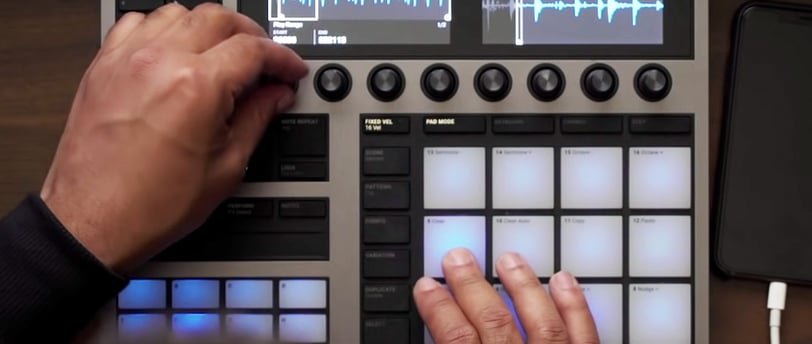
Sampling is not just a musical technique; it's a portal to the past, a means of reimagining the present, and a bridge to the future. From its humble beginnings to its pivotal role in shaping modern music, sampling has left an indelible mark on the sonic landscape. Join us as we delve into the history of sampling, exploring its origins, evolution, and fascinating facts along the way.
Origins of Sampling: Sampling traces its roots back to the early days of hip-hop in the Bronx during the 1970s. DJs like Kool Herc and Grandmaster Flash pioneered the art of looping and manipulating vinyl records to create new beats and rhythms. These early innovators laid the foundation for sampling, using turntables as their instruments and vinyl records as their raw material.
Rise to Prominence: In the 1980s, sampling exploded onto the mainstream music scene with the advent of affordable sampling technology, such as the iconic Akai MPC series. Artists like Public Enemy, Beastie Boys, and De La Soul embraced sampling as a means of artistic expression, blending diverse musical elements to craft groundbreaking tracks. Sampling became synonymous with hip-hop culture, revolutionizing the way music was created and consumed.
Legal Challenges and Copyright Issues: As sampling gained popularity, it also attracted legal scrutiny. Artists and record labels faced numerous lawsuits for unauthorized use of copyrighted material, leading to landmark court cases and multimillion-dollar settlements. The debate over copyright infringement and fair use continues to shape the landscape of sampling, prompting artists to navigate complex legal frameworks and licensing agreements.
Evolution and Innovation: Despite legal challenges, sampling has continued to evolve and innovate in the digital age. Advances in technology have democratized the sampling process, empowering musicians of all backgrounds to experiment with sampling techniques. From electronic music to pop, rock, and beyond, sampling has permeated virtually every genre, blurring the lines between musical styles and traditions.
Interesting Facts:
The first documented instance of sampling in recorded music dates back to the 1940s, with experimental composers like Pierre Schaeffer using tape manipulation techniques to create musique concrète.
The Amen break, a six-second drum solo from the song "Amen, Brother" by The Winstons, is one of the most sampled drum loops in history, appearing in thousands of tracks across multiple genres.
Sampling has inspired entire subgenres of music, such as plunderphonics, which involves the sampling and recontextualization of existing audio recordings to create new compositions.
Conclusion: Sampling is more than just a musical technique; it's a cultural phenomenon that has reshaped the way we think about music. From its origins in the streets of the Bronx to its global influence in the digital age, sampling continues to push the boundaries of creativity and imagination. As we celebrate the art of sampling, let us honor its rich history and embrace its endless possibilities for innovation and expression.

