
Mastering the Art of Sampling: Techniques and Tips for Music Producers
Dive into the world of sampling with our comprehensive guide! Learn essential techniques and tips for music producers to master the art of sampling, from finding quality samples to creative manipulation and beyond. Whether you're a beginner or seasoned pro, discover how sampling can elevate your compositions and unlock new realms of creativity in your music production journey.
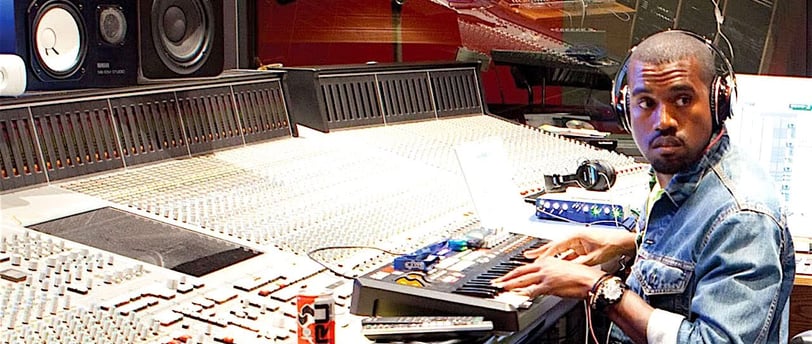
Sampling is a timeless art form in music production, allowing producers to creatively repurpose existing sounds to craft unique compositions. Whether you're a seasoned veteran or just dipping your toes into the world of sampling, understanding the techniques and best practices can elevate your productions to new heights. In this guide, we'll explore the art of sampling and provide valuable tips for music producers looking to enhance their skills.
Understanding Sampling
Sampling involves taking a portion of an existing audio recording, known as a sample, and incorporating it into a new composition. This could be anything from a drum break to a vocal hook to a snippet of a melody. With the advancements in technology, sampling has evolved from its early days of chopping vinyl records to utilizing digital audio workstations (DAWs) and sample libraries.
Techniques for Sampling Success
Find Quality Samples: The key to a great sample-based track starts with finding high-quality source material. Explore different genres, dig through online sample libraries, or even record your own sounds to create a unique palette of samples to work with.
Chop and Slice: Once you've found your samples, experiment with chopping and slicing them into smaller segments. This allows you to rearrange and manipulate the samples to fit your composition. Use tools like Ableton Live's Simpler or FL Studio's Slicex to easily chop and manipulate your samples.
Pitch and Time Stretching: Adjusting the pitch and tempo of your samples can completely transform their character. Experiment with pitching samples up or down to create interesting melodies or use time stretching to fit samples into your project's tempo.
Layering and Stacking: Layering multiple samples on top of each other can add depth and complexity to your compositions. Try blending different sounds together to create unique textures and sonic landscapes.
Effects and Processing: Don't be afraid to experiment with effects and processing to further manipulate your samples. Experiment with reverb, delay, distortion, and other effects to add depth and character to your samples.
Tips for Sampling Success
Clearance and Copyright: Always ensure that you have the proper clearance to use any samples in your productions, especially if you plan on releasing your music commercially. Sample clearance laws vary by jurisdiction, so be sure to do your research and obtain the necessary permissions.
Be Creative: Sampling is all about creativity and experimentation. Don't be afraid to think outside the box and push the boundaries of what's possible with your samples.
Develop Your Sound: While sampling is a great way to get started, aim to develop your own unique style and sound over time. Use sampling as a tool to enhance your compositions rather than relying on it as a crutch.
Practice, Practice, Practice: Like any skill, sampling takes time and practice to master. Experiment with different techniques, learn from your mistakes, and continue to refine your craft.
Conclusion
Sampling is a powerful tool in the arsenal of any music producer, offering endless possibilities for creativity and expression. By understanding the techniques and best practices outlined in this guide, you can take your sampling skills to the next level and create truly unique and innovative compositions. So go ahead, explore, experiment, and let your imagination run wild in the world of sampling.

